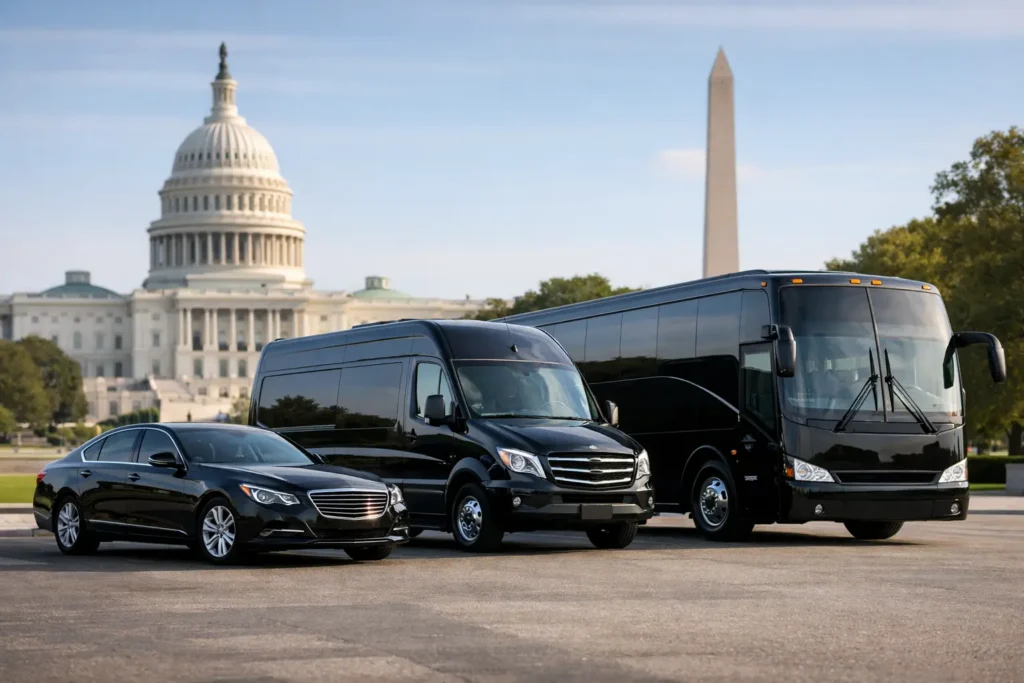
A missed pickup before a board meeting is not a small inconvenience. It becomes a visible failure in timing, judgment, and presentation. That is why a strong corporate transportation planning guide matters – not as a nice extra, but as part of how serious organizations protect schedules, reputation, and the experience of every executive, client, and guest.

For companies that operate at a high level, transportation is never just about moving people from one address to another. It is part logistics, part hospitality, and part brand management. The right plan keeps leadership focused, protects tight calendars, and ensures every arrival reflects the standard the organization claims to uphold.
What a corporate transportation planning guide should actually solve
Many companies treat transportation as a last-minute task handled by an assistant or event coordinator under pressure. That approach works until the itinerary changes, the airport is delayed, the group size shifts, or a VIP needs discretion and fast adjustments. Then the weak points show immediately.
A well-built plan solves for more than route mapping. It creates consistency across airport transfers, roadshows, meetings, conferences, off-site events, and client entertainment. It defines who is traveling, what level of service is expected, how timing will be managed, and what backup measures are in place if the day changes.
That last point matters more than most teams realize. Corporate travel rarely goes exactly as scheduled. Flights move. Meetings run long. Security timelines expand. The transportation partner must be able to adapt without lowering the standard of service.
Start with the purpose of the trip
Every transportation decision should begin with one question: what is this ride expected to accomplish?
An airport transfer for a senior executive has different demands than group movement for a company gala. A client pickup before a pitch meeting requires polish and discretion. A multi-stop roadshow needs precision and real-time coordination. If the purpose is unclear, the booking often defaults to price or vehicle availability instead of fit.
When purpose leads the plan, the details become easier to align. You can match the vehicle to the passenger count, the level of formality to the occasion, and the timing cushion to the stakes of the event. You can also decide where premium service is essential and where a more straightforward arrangement is sufficient.
That distinction helps control cost without lowering standards where they matter most. Not every movement needs the same level of ceremony, but the wrong level can feel careless.
Build around the traveler experience
Executives and high-value guests notice details long before anyone mentions them. They notice whether the chauffeur is early, whether the vehicle is spotless, whether communication is clear, and whether the ride feels calm rather than improvised.
This is where many transportation plans fall short. They focus on pickup times and addresses but ignore the actual experience in between. For high-expectation travelers, that middle section matters. It is the difference between arriving collected and arriving depleted.
A thoughtful plan accounts for baggage, privacy, phone calls in transit, preferred vehicle style, and the tone of the occasion. A luxury sedan may be ideal for a senior executive traveling alone. A premium SUV may better suit airport service with luggage or security considerations. A Sprinter or executive shuttle may be the more elegant choice for small leadership teams who need to arrive together and on schedule.
The point is not excess. It is alignment. Transportation should support the traveler’s role and the image the company needs to project.
The best corporate transportation planning guide includes timing discipline
Timing discipline is where premium transportation earns its value. A vehicle that arrives exactly at the requested time is not enough if the requested time was unrealistic in the first place.
Strong planning works backward from the non-negotiable moment – wheels up, meeting start, venue access, guest arrival, or speaking slot. From there, the planner accounts for loading time, traffic patterns, security, check-in requirements, and the very real possibility that one part of the schedule will slip.
There is always a trade-off here. Too much buffer creates frustration and wasted time. Too little buffer creates risk. The right balance depends on who is riding, how visible the arrival is, and how costly a delay would be.
Airport travel is a perfect example. A pickup for Reagan National may require a different timing strategy than Dulles, particularly during heavy travel windows or when international arrivals are involved. The same goes for large event venues, government corridors, and downtown meeting clusters where access can change quickly. Precision is not just about maps. It is about local judgment.
Standardize communication before the day begins
Transportation problems often start as communication problems. The wrong terminal, a missing contact number, an unshared itinerary update – each one creates avoidable friction.
The most effective corporate planners establish a clear chain of communication in advance. One person owns the master schedule. One transportation partner receives updates. The traveler knows who to contact if plans change. The chauffeur has the correct names, timing, and service notes before the vehicle is dispatched.
This sounds basic, but in practice it is often where premium service separates itself from commodity service. A refined provider does not simply wait to be told what went wrong. They confirm details, monitor timing, and stay ready to adjust when the day shifts.
For executive teams and event planners, that level of responsiveness is not a luxury feature. It is operational protection.
Match fleet selection to image, not just capacity
There is a practical temptation to choose vehicles by passenger count alone. But corporate transportation carries visual meaning, especially when clients, board members, investors, or senior leadership are involved.
A polished luxury sedan signals discretion and control. A luxury SUV communicates authority and comfort. A well-appointed Sprinter can elevate group transfers from basic coordination to a unified executive experience. Larger charter options can be the right answer for conferences, employee shuttles, or formal events, but only when the service standard remains high from door to door.
This is where transportation becomes an extension of corporate image. If the company presents itself as premium, disciplined, and detail-oriented, the arrival experience should reflect that. A mismatch between brand image and travel experience is noticed immediately.
At the same time, image should never override logistics. Booking a smaller vehicle to appear more exclusive makes little sense if travelers are cramped or luggage cannot be handled cleanly. Good planning respects both optics and function.
Plan for change, because the schedule will change
No serious corporate transportation strategy assumes a perfect day. The better question is how the plan behaves when conditions shift.
Executives may add a stop. A client dinner may run late. A conference may release attendees in waves instead of on schedule. Weather may affect airport traffic. A strong transportation partner can absorb those changes with composure, but only if the booking structure allows for flexibility.
That is why reservation quality matters. Detailed itineraries, realistic windows, standby options for high-priority travelers, and a provider with live support all reduce friction when the day moves off script. Same-day availability can be especially valuable for leadership teams and private offices where schedules evolve by the hour.
If the stakes are high, build in optionality. It is usually less expensive than the reputational cost of visible disorder.
Where companies often overspend and where they underinvest
There is a common misconception that premium transportation always means overpaying. In reality, overspending usually comes from poor planning – duplicate bookings, unnecessary idle time, wrong-size vehicles, or last-minute scrambling that limits options.
Underinvestment shows up differently. It appears when a company chooses a low-cost provider for a high-visibility movement and then absorbs the consequences of lateness, weak presentation, or poor communication. The invoice may be smaller. The damage is not.
The smarter approach is selective elevation. Reserve the highest-touch service for executive travel, VIP guest movement, investor meetings, major airport transfers, and events where arrival quality matters. Use a transportation standard that matches the moment.
For organizations in the Washington, DC region, this judgment carries extra weight. Government schedules, dense event calendars, airport complexity, and image-conscious business environments leave little room for casual execution. A provider such as Monarch Bus and Limo is built for that expectation – where precision, discretion, and presentation are treated as part of the service, not optional upgrades.
A practical standard for better corporate transportation planning
If you want a plan that holds up under pressure, keep it simple. Define the purpose of the trip, identify who matters most on the manifest, choose the right vehicle class, build a realistic timing buffer, centralize communication, and prepare for schedule changes before they happen.
That is the real value of a corporate transportation planning guide. It turns transportation from a reactive errand into a controlled executive asset. When done well, nobody talks about the ride afterward. They simply arrive on time, composed, and exactly as they should.
Your reputation travels with you. Plan accordingly.
For broader corporate travel benchmarks, see corporate travel planning standards.
Keep Discovering
Ready to Ride, Anywhere in the DMV
Popular Services
Explore the Fleet
Service Areas

Chauffeur Service vs Rideshare: Which Fits?

How to Arrange Discreet VIP Transportation