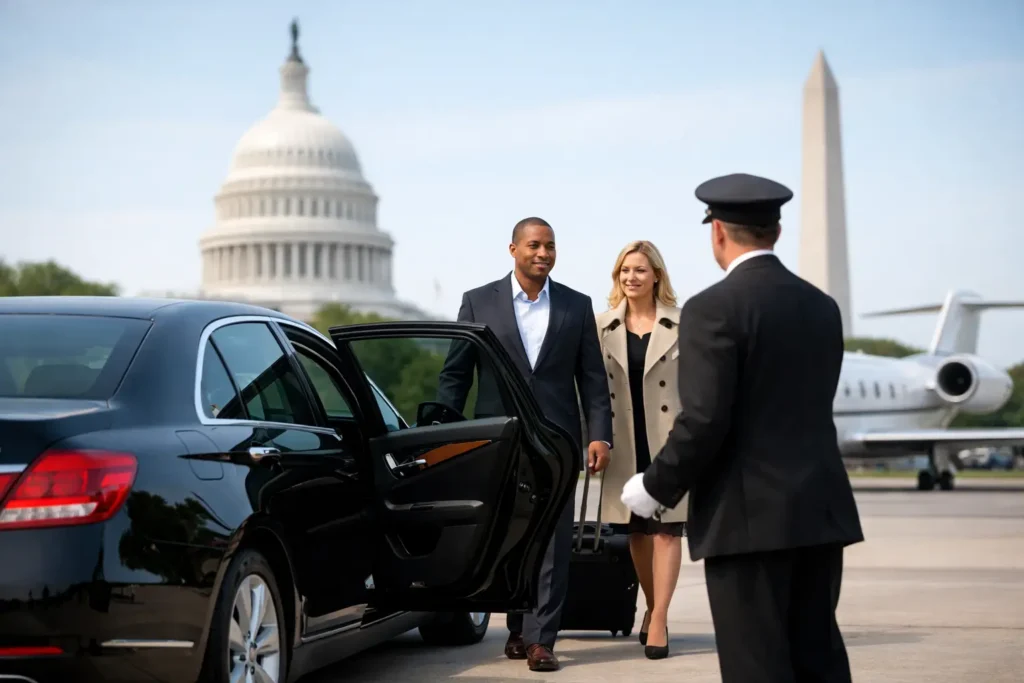
The difference is visible before the door even opens. A polished vehicle arrives on time, the chauffeur already briefed, the route already considered, the experience already in motion. That is how executive car service works when it is done properly – not as a simple ride, but as a controlled, high-standard travel arrangement built around timing, discretion, and presentation.

For executives, hosts, wedding clients, and travelers who cannot afford disorder, the appeal is not only comfort. It is certainty. Your arrival matters. Your schedule matters. In many cases, your reputation travels with you.
How executive car service works from reservation to arrival
Executive car service begins with a reservation, not a random vehicle request. That distinction shapes everything that follows. Unlike app-based rides that match a nearby driver with limited context, executive service is planned in advance around the passenger, the occasion, and the standards required.
When a booking is made, the transportation provider typically gathers far more than a pickup address. The reservation may include flight details, event timing, number of passengers, luggage count, preferred vehicle class, special instructions, and any need for multiple stops or wait time. For corporate travel, there may also be billing preferences, account notes, and protocols for assistants or travel managers handling arrangements on behalf of a principal.
From there, dispatch reviews the itinerary and assigns the right vehicle and chauffeur. That sounds simple, but this is where premium service separates itself. A solo airport transfer may call for a luxury sedan. A client traveling with colleagues and presentation materials may be better served by a luxury SUV. A wedding party, board delegation, or VIP group may require a Sprinter van or larger charter vehicle with tighter timing coordination.
The goal is not just transportation capacity. It is fit. The vehicle should match the purpose of the trip, the level of formality, and the image the client intends to project.
What happens behind the scenes
The best executive transportation feels effortless because the work is happening out of sight. Before pickup, chauffeurs are given trip details, timing expectations, and often notes about the client experience itself. Dispatch may monitor traffic conditions, event schedules, and flight status. If the service includes airport transportation, real-time flight tracking often allows pickup times to adjust without forcing the passenger to manage changes manually.
This matters most when schedules tighten. A delayed arrival into Dulles or Reagan National can disrupt a poorly run service model. In a true executive operation, those changes are anticipated, not treated as surprises.
There is also a protocol element that many first-time clients do not realize. Vehicle readiness, chauffeur appearance, communication standards, and curbside or meet-and-greet procedures are usually defined well before the trip starts. The client sees calm. The company is managing variables.
The chauffeur’s role is larger than driving
One of the most common misunderstandings about how executive car service works is the assumption that it is simply luxury transportation with a nicer vehicle. The real distinction is the chauffeur.
A professional chauffeur is expected to do far more than operate the car safely. The role includes punctual arrival, route awareness, polished conduct, assistance with luggage, discretion in conversation, and the ability to read the room. Some passengers want quiet. Some need efficient communication. Some are moving between meetings and expect timing updates without unnecessary talk. The standard is service with judgment.
That judgment is especially important in executive and event settings. A chauffeur may need to coordinate with a corporate office, hotel staff, venue team, or security personnel while keeping the experience composed for the passenger. The passenger should never feel the friction behind the schedule.
This is also why premium providers emphasize training, grooming, and professionalism. The vehicle may make the first impression. The chauffeur defines the experience.
Vehicle selection is part of the service
Executive car service is not one-size-fits-all. The vehicle selected should support the purpose of the trip just as much as the route.
For airport transfers or solo executive travel, a luxury sedan often provides the right balance of privacy, comfort, and understated authority. For clients traveling with associates or extra luggage, an executive SUV offers more flexibility without sacrificing polish. Formal celebrations and high-visibility arrivals may call for a stretch limousine, while business groups often need the efficiency of a Mercedes Sprinter van or larger executive vehicle.
The trade-off is straightforward. Larger vehicles create more room and presence, but they may not always be the most practical choice for every downtown route or quick point-to-point transfer. A seasoned transportation provider helps match the vehicle to the occasion instead of simply upselling the largest option available.
How pricing usually works
Executive car service pricing is generally based on reservation structure rather than the fluctuating logic used by rideshare platforms. Depending on the trip, pricing may be set as a flat rate, an hourly rate, or a package rate for a specific event.
Airport transfers are often quoted as fixed point-to-point reservations. Corporate roadshows, weddings, and multi-stop itineraries are more likely to be billed hourly because the schedule may shift throughout the day. Larger group transportation may include minimum booking windows, staging time, or event coordination fees.
What affects the final rate? Vehicle class, trip duration, distance, time of day, passenger count, wait time, route complexity, and special service requests all matter. Premium service costs more because more is being managed. That includes scheduling discipline, fleet standards, customer support, and chauffeur professionalism.
For many clients, the value is not found in the ride alone. It is found in avoiding delays, preserving image, reducing stress, and protecting a schedule that may be worth far more than the transportation itself.
How executive car service works for airports and business travel
Airport transportation is often where people most clearly see the value of executive service. Commercial travel creates enough uncertainty on its own. Ground transportation should restore control, not add another variable.
For airport pickups, the provider may monitor the incoming flight, adjust for delays, and position the chauffeur according to the agreed service format. Some clients prefer curbside efficiency. Others want a formal meet-and-greet inside the terminal. The right choice depends on the traveler, the airport, the amount of luggage, and whether the passenger is entertaining a client or arriving after a long international itinerary.
For business travel, executive service often extends beyond airport runs. It may include multi-meeting days, hotel transfers, dinners, conferences, or transportation for visiting leadership. In those cases, consistency matters. The client does not want to explain preferences repeatedly or risk a different standard at each leg of the day.
That is why reservation-driven providers often become long-term partners for executive accounts. Reliability is not a luxury detail. It is operational support.
When executive car service makes the most sense
Not every trip requires an executive vehicle, and discerning clients know that. If the only priority is the lowest possible fare for a casual local ride, premium service may not be necessary.
But the equation changes when timing is strict, the occasion is formal, or the passenger’s image matters. Executive car service makes the most sense for airport transfers with little margin for delay, corporate travel, client hosting, weddings, government or VIP transportation, and special events where coordination must be exact.
It is also valuable when the person booking is not the person riding. Executive assistants, event planners, and family members often prefer a managed service because it reduces the need for follow-up. They want confirmation, accountability, and confidence that the experience will reflect well on them.
In a market as demanding as the DC region, that standard is not decorative. It is practical. Monarch Bus and Limo operates in that exact space, where luxury presentation and operational discipline have to exist together.
What to look for before booking
If you are evaluating providers, look beyond the vehicle photos. Ask how reservations are managed, whether flight tracking is included, what kind of chauffeur standards are enforced, and how schedule changes are handled. Availability matters, but response quality matters more.
A premium company should be clear, composed, and precise from the first interaction. If the booking process feels vague, rushed, or inconsistent, the ride may feel the same way. Executive transportation should inspire confidence before the trip begins.
The strongest providers understand something basic but often overlooked: clients at this level are not only purchasing a car. They are purchasing trust, image control, and the freedom to focus on what actually brought them there.
The best ride is the one you barely have to think about, because every detail has already been handled with the standard your schedule deserves.
For broader corporate travel benchmarks, see executive travel industry standards.
Keep Discovering
Ready to Ride, Anywhere in the DMV
Popular Services
Explore the Fleet
Service Areas

What Does Flight Tracking Include for Travelers?

Chauffeur Service vs Rideshare: Which Fits?