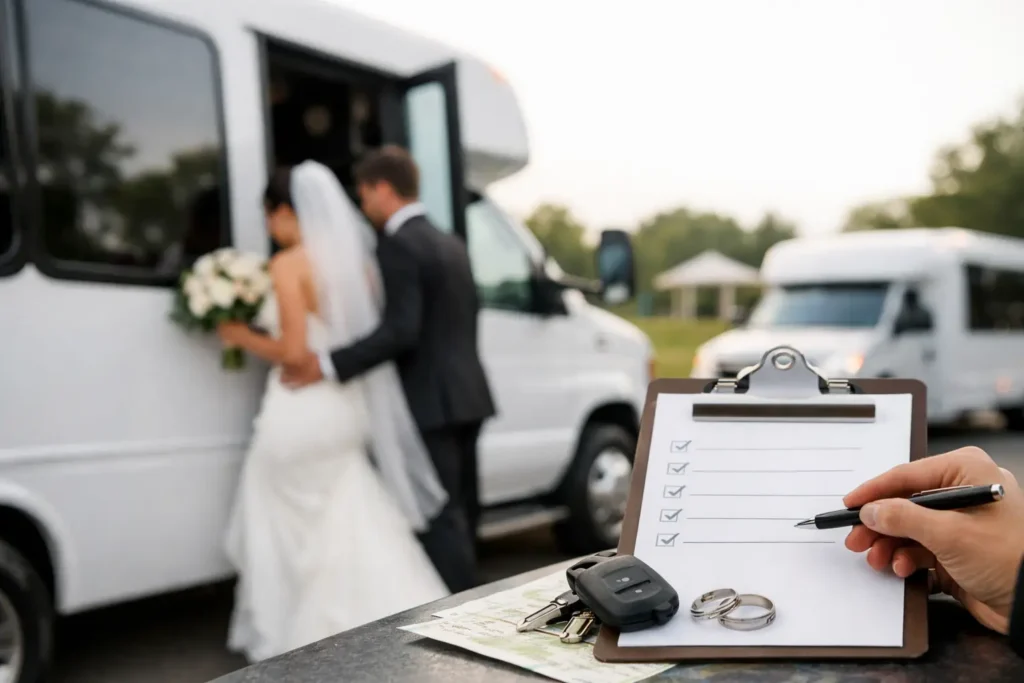
A black-tie evening can lose its composure before the first toast if a key guest is circling for parking, a bridal party arrives in separate rides, or an executive is left waiting at the curb. This formal event transportation guide is built for hosts who understand that an arrival is part of the occasion. In Washington, DC, where traffic, venue access, and security can change the rhythm of a night, transportation deserves the same care as the guest list and seating plan.
The objective is not simply getting people from one address to another. It is creating a composed, punctual experience that reflects well on the host, protects the schedule, and gives every principal guest the attention their presence deserves.
Start With the Event’s Standard of Arrival
Before selecting vehicles, define what the event asks of its transportation. A leadership dinner, embassy reception, gala, wedding, awards ceremony, or private celebration may all be formal, but they call for different levels of visibility, privacy, and coordination.
For an executive function, discretion often leads. A luxury sedan or SUV may be the right choice for a visiting client, board member, or keynote speaker who needs a quiet space between the airport, hotel, and venue. For a wedding, timing and togetherness may matter more. A stretch limousine can give the couple a ceremonial departure, while a Mercedes Sprinter van keeps the wedding party moving as one group.
Consider the first and last moments guests will remember. Is the entrance meant to be photographed? Will guests be arriving from a hotel block? Is there a late-night departure after a formal dinner? Those questions determine whether transportation should be understated, celebratory, or designed around group movement.
Formal Event Transportation Guide: Build the Schedule Backward
The most reliable transportation plans begin with the nonnegotiable moment: the ceremony start, reception entrance, curtain time, dinner service, or keynote address. Build backward from there rather than estimating travel based on a typical map time.
For a formal event, the vehicle should generally arrive before the passenger needs to leave. That margin allows time for a final wardrobe adjustment, a last-minute phone call, luggage handling, or a change in pickup instructions. It also means the chauffeur is in position if a guest is ready early.
In the DMV, a route that looks simple on paper can be affected by federal activity, sporting events, construction, motorcades, weather, and evening congestion. A professional transportation partner accounts for these variables in advance and monitors conditions throughout the service window. For an event with a fixed start time, the question is not, “What is the fastest route?” It is, “What plan protects the arrival time?”
Create separate pickup windows when guests have different priorities. A principal speaker may need a private pickup well ahead of the program. VIP guests may benefit from staggered arrivals that avoid crowding at the entrance. A larger group can depart together once every attendee is accounted for. Trying to force every passenger into one timetable is often where an otherwise elegant plan becomes strained.
Leave Room for the Details That Move Slowly
Formalwear takes longer. Valet lines take longer. Venue security checkpoints take longer. So do group photographs, elderly guest assistance, and loading gifts or equipment at the end of the evening.
Add realistic buffers around each transition, particularly when moving between a ceremony and reception or from a hotel to a downtown venue. The right amount depends on the event, but a few protected minutes are far more valuable than a schedule that requires every guest to move perfectly on cue.
Match the Vehicle to the Guest, Not Just the Headcount
Capacity is only one factor. Comfort, presentation, baggage, accessibility, and the character of the occasion matter just as much.
An executive sedan is ideal when one to three passengers require privacy and a poised, professional arrival. A luxury SUV provides greater room for passengers, formal attire, or airport luggage while retaining an executive presence. Stretch limousines belong where the ride itself is part of the celebration, particularly for weddings, milestone evenings, and red-carpet-style entrances.
Mercedes Sprinter vans work exceptionally well for bridal parties, executive teams, and groups traveling between a hotel and venue. They keep the group coordinated without making guests feel as though they are on a standard shuttle. For larger guest counts, a charter vehicle may be the wisest choice, especially when parking is limited or guests are traveling from a single central pickup location.
Do not overcorrect by choosing the largest vehicle for every group. A half-filled coach can feel impersonal for a small VIP delegation, while an undersized SUV can become uncomfortable once evening gowns, tuxedos, coats, and personal items enter the picture. The best vehicle looks appropriate when it arrives and feels generous once guests step inside.
Treat the Venue Curb as Part of the Production
A refined transportation plan includes the final 100 feet. Confirm the exact entrance, loading zone, curbside restrictions, valet procedure, and the venue contact who can resolve access questions in real time. At hotels, this may mean coordinating with the front drive team. At private estates or clubs, it may involve gate instructions and a designated turnaround point.
Washington, DC venues can have particularly strict curbside rules. A chauffeur needs more than an address. They need clear instructions about which entrance is preferred, whether the vehicle may wait, where guests should be met, and who has authority to adjust the plan if conditions change.
If arrivals will be photographed, make that known in advance. A chauffeur can position the vehicle appropriately and avoid pulling into a congested area at the wrong moment. If discretion is the priority, request an arrival plan that minimizes attention and keeps the passenger experience controlled.
Give Guests One Clear Instruction
Formal events are not the place for vague texts that say, “Meet outside around 6:30.” Provide each passenger or group with a confirmed pickup time, address, vehicle description, and a single point of contact for changes. For group service, let guests know whether the vehicle will make multiple stops and whether it will depart at a fixed time.
This is especially valuable for out-of-town attendees arriving through Dulles International Airport or Reagan National Airport. A clear pickup plan removes uncertainty after a flight and helps guests arrive at the hotel or event composed rather than rushed.
Assign Transportation by Priority
Not every passenger requires the same service level, and acknowledging that is good planning, not favoritism. Place the highest priority on people whose timing or presence affects the event itself: the couple, family members, executives, speakers, honored guests, and clients.
Then consider guests who may need additional support, including older relatives, attendees unfamiliar with the area, and groups who will be consuming alcohol. Providing chauffeured transportation for these guests is both gracious and practical. It lets them participate fully without managing directions, parking, or a late-night drive home.
For a corporate event, reserve private transportation for client-facing leaders and key decision-makers. Group vehicles can serve employees or larger delegations traveling from the same office or hotel. For weddings, the order may shift: the wedding party and immediate family often need the most coordinated service, while shuttles or charter transportation can support the broader guest list.
Choose a Partner Built for Live Changes
Formal events rarely unfold exactly as planned. A reception runs late. A flight is delayed. A guest decides to leave early. Rain redirects an entrance. The value of a premium transportation provider is most visible in these moments.
Look beyond the vehicle photos. Confirm that the provider offers professional chauffeurs, dispatch oversight, flexible scheduling, and real support when the plan changes. Ask how they handle additional stops, delayed departures, flight monitoring, and same-day requests. A low initial quote may not represent the best value if it comes with limited communication or rigid policies.
Monarch Bus & Limo approaches formal transportation as an extension of the host’s standard: punctual, polished, discreet, and prepared for the details that cannot be left to chance.
Protect the Departure as Carefully as the Arrival
Hosts often devote great energy to getting guests through the door, then leave departures open-ended. Yet the final ride home is when guests are tired, weather may have changed, and the event schedule is most likely to drift.
Set a clear departure strategy. For a wedding or gala, that may mean one vehicle on standby for principals and scheduled group departures for guests. For a corporate dinner, it may mean chauffeurs returning at staggered times based on attendees’ agendas. If guests are headed to multiple hotels, confirm those routes before the evening begins.
A chauffeur-driven departure also preserves the tone of the event. Instead of ending the night in a parking garage or a scramble for rides, distinguished guests step into a prepared vehicle and leave with the same confidence with which they arrived.
The strongest formal transportation plan is rarely the most elaborate. It is the one that makes every movement feel expected, every guest feel considered, and every arrival worthy of the occasion.
Keep Discovering
Ready to Ride, Anywhere in the DMV
Popular Services
Explore the Fleet
Service Areas

How to Book Airport Meet and Greet Right
Wedding Transportation Services That Deliver